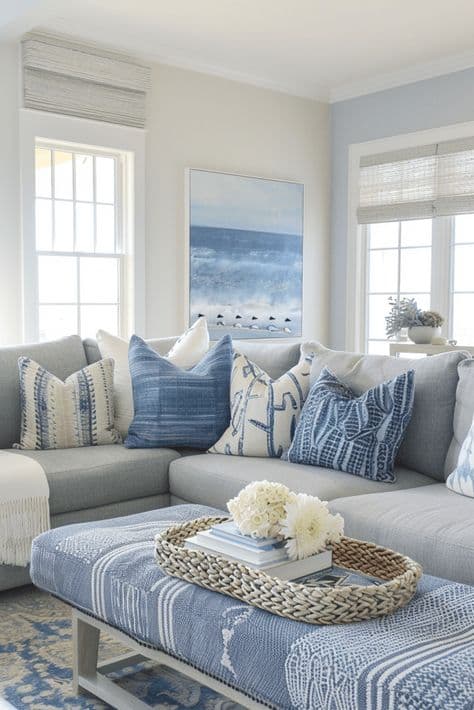
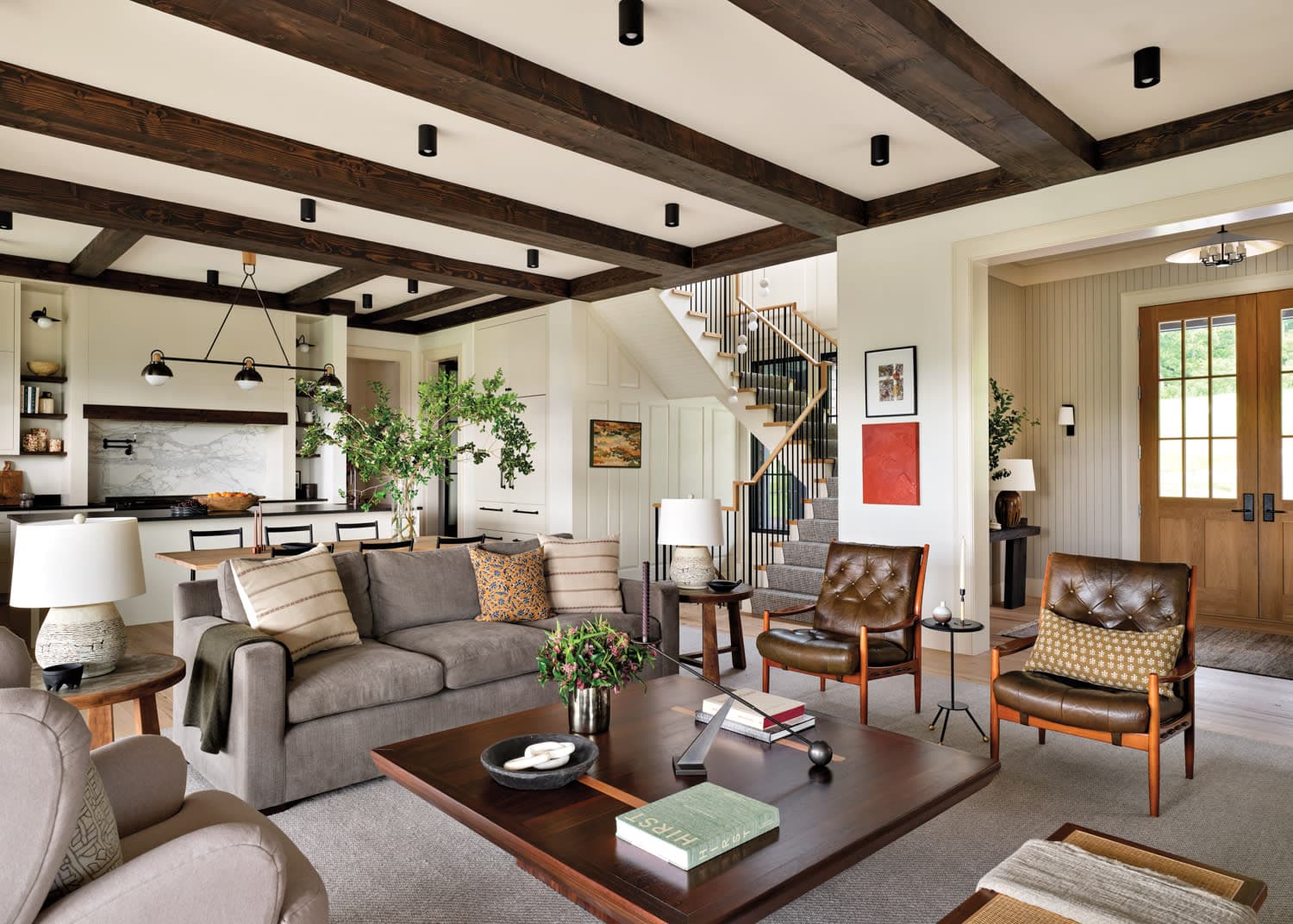
Living Room Ideas: Design Your Dream Space with Expert Tips
Overwhelmed by living room ideas? Learn expert principles for layout, flow & function to create a space that truly reflects you. Start designing your dream living room today!
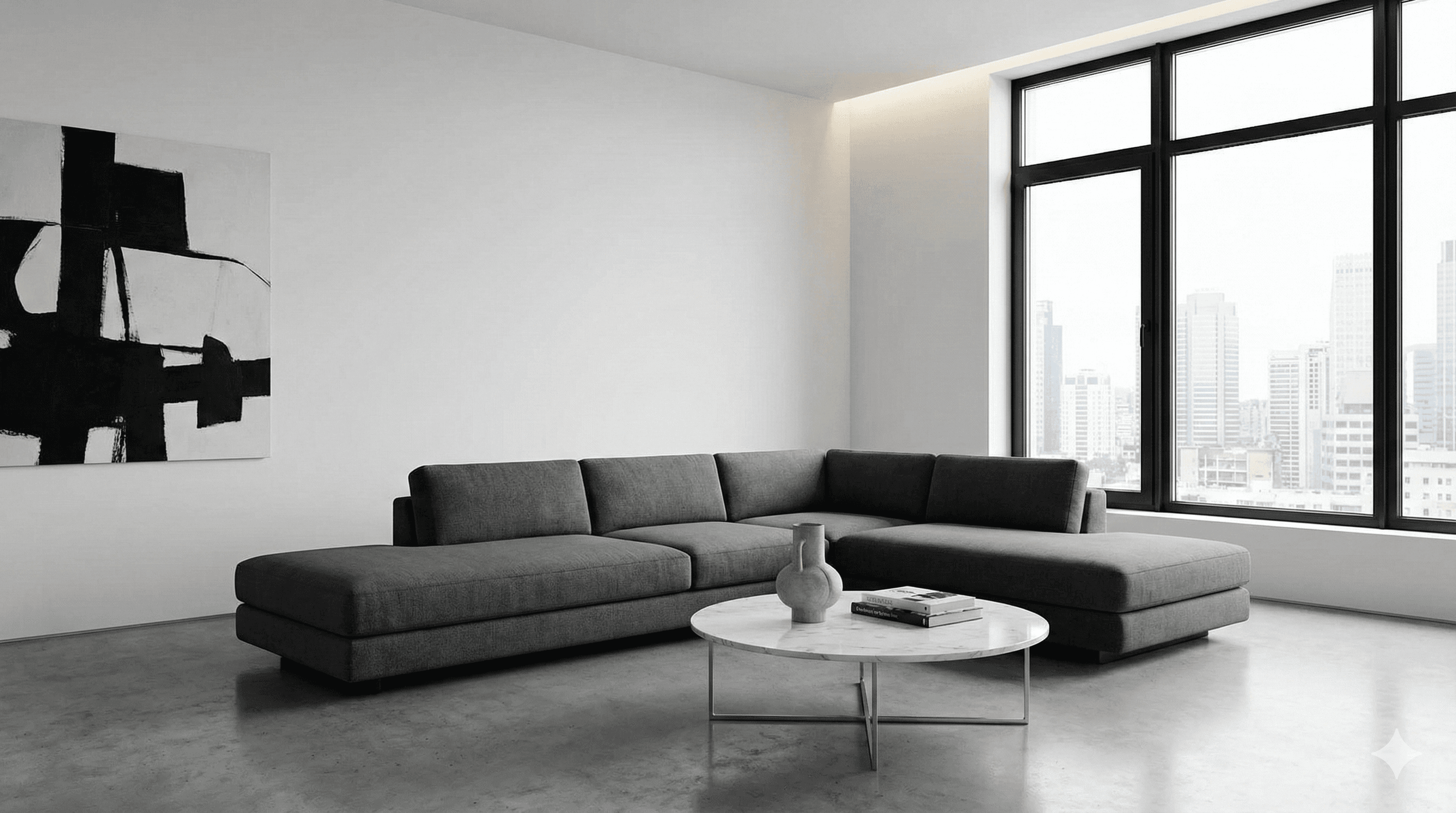
Designing a living room is like writing the first chapter of your home’s story. It’s where daily life unfolds, where quiet evenings happen, and where guests get their first impression. For many of us, it’s also the trickiest room to tackle. You want it to be functional, comfortable, and beautiful – a space that truly reflects you without feeling like a page ripped from a catalog.
I get it. Staring at an empty room or a space that just isn't working can be overwhelming. There are so many choices, so many trends, and so many things that look good in photos but might not translate to real life. My goal here isn't to give you a specific aesthetic to follow, but rather to arm you with the principles and practical tips I use daily, so you can create a living room that truly sings.
Start with the "Why": Function and Flow
Before you even think about buying a single piece of furniture, you need to understand how you live. This is the absolute first step, and it dictates everything else.
- What happens in this room? Is it primarily for quiet reading and movie nights? Or is it a bustling hub for entertaining friends, complete with board games and lively conversations? Do your kids (or pets!) practically live here?
- Who uses it? Just you? A family of four? Do you need dedicated zones for different activities?
Once you have a clear picture, you can start to define the zones within your living room. A large open-concept space might need a conversation area, a reading nook, and even a small work-from-home corner. A smaller room might focus on one primary function. Thinking about flow – how people move through the space – is critical here. No one wants to constantly bump into furniture or feel like they’re walking a tightrope. Keep at least 30-36 inches clear for main pathways.
The Foundation: Layout, Scale, and Proportion
These three concepts are the unsung heroes of good design. Get them right, and almost anything else you do will look better. Ignore them, and even the most expensive furniture will feel off.
Layout: The Blueprint of Comfort
My first rule for any living room layout is to pull furniture off the walls. Unless you're in a tiny studio apartment, floating your sofa a few inches or even a few feet from the wall instantly makes the room feel larger and more inviting. It also allows for pathways behind the sofa, creating a sense of depth.
Consider a focal point. Is it a fireplace? A large window with a view? The television? Arrange your primary seating to face or complement this focal point. If your TV is the main event, make sure seating is a comfortable distance for viewing – generally 7-10 feet for a 65-inch screen.
Scale and Proportion: Getting it Just Right
This is where a lot of people stumble. Scale refers to the size of an object relative to the room and other objects. Proportion refers to the visual weight and balance between items.
- Don't buy a gargantuan sectional for a small room. It will swallow the space and make it feel cramped. Conversely, tiny furniture in a grand room will look lost and insignificant.
- Think about ceilings. If you have high ceilings, you can get away with taller bookcases or a more substantial floor lamp. Low ceilings? Opt for lower-profile furniture to create a sense of openness.
I always recommend mapping out your furniture on the floor with painter's tape before you buy. Seriously, it's a game-changer. It helps you visualize how much space each piece will actually take up and ensures you’re not blocking pathways. If you're really stumped, uploading your room photos to Roomellow can help you virtually rearrange furniture from various stores and see how different layouts work in your space before committing. It takes the guesswork out of it.
The Big Players: Key Furniture Pieces
These are the investments, the anchors of your living room. Choose wisely. For more in-depth advice on your primary seating, check out our guide on /blog/how-to-choose-the-right-sofa-for-your-living-room.
The Sofa: Your Comfort Command Center
This is almost always the largest and most expensive piece, so don't rush it.
- Size Matters: A typical 3-seater sofa is usually around 80-90 inches long. A two-seater might be 60-70 inches. Sectionals can range from compact 85x85 inch L-shapes to sprawling 120x120 inch U-shapes. Measure, measure, measure.
- Style and Material:
- Fabric: Versatile, often softer, and comes in endless colors and patterns. Performance fabrics (like Sunbrella or Crypton) are fantastic if you have pets or kids, offering stain and spill resistance. Linen looks incredibly chic but wrinkles easily. Velvet adds luxurious texture but can show wear in high-traffic areas. Bouclé is a massive trend right now – it looks soft and inviting, but be warned, it's a nightmare if you have pets with claws or if you spill anything dark on it. It absorbs everything.
- Leather: Durable, develops a beautiful patina over time, and is generally easier to clean than most fabrics (a quick wipe often does the trick). It can feel a bit cooler in summer and warmer in winter. Aniline leather is soft and natural but easily scratches; protected leather is more robust but less supple. I'm a big fan of a classic cognac leather sofa for its timeless appeal and warmth.
- Construction: Look for a solid wood frame (kiln-dried hardwood is best), high-density foam cushions (or down-wrapped for extra sink-in comfort), and sturdy legs. These things directly impact longevity.
- My Opinion: I'd skip the matching sofa and loveseat set. Instead, opt for a standalone sofa and bring in accent chairs in different materials or styles. A classic fabric sofa paired with a sleek leather armchair, or a velvet sofa with a modern cane chair, creates much more visual interest and personality.
Accent Chairs: The Supporting Actors
These are essential for creating multiple conversation zones and adding extra seating without overwhelming the space.
- Variety is Key: Don't buy two identical chairs unless they're perfectly symmetrical around a fireplace. Mix an armchair with an open-frame chair, or a swivel chair with a slipper chair.
- Placement: Place them opposite the sofa, or angled towards it, ensuring they contribute to the conversation area. A single accent chair can also define a reading nook in a corner, paired with a small side table and a floor lamp.
- Size: Aim for accent chairs that are roughly 30-36 inches wide, but this will vary depending on the style.
Coffee Table or Ottoman: The Central Hub
This piece brings your seating arrangement together.
- Sizing Rule: It should be approximately two-thirds the length of your sofa. For a 90-inch sofa, a 60-inch coffee table is ideal.
- Height: It should be roughly the same height as your sofa's seat cushions, or slightly lower (16-18 inches is common). No more than 2 inches higher or lower.
- Material and Shape: A round coffee table is excellent for flow in smaller spaces or if you have kids (no sharp corners!). A rectangular one can anchor a larger space. Consider wood for warmth, metal and glass for a lighter, more modern feel, or an upholstered ottoman for extra softness and a place to prop your feet. Remember, if you use an ottoman, you'll still need a tray for drinks.
Side Tables: The Unsung Heroes
You need at least one, ideally two, to give people a spot to put a drink, a book, or a remote.
- Height Rule: The top of your side table should be roughly the same height as the arm of the sofa or accent chair it's serving. This is crucial for functionality.
- Placement: Place one at each end of the sofa, or next to an accent chair.
Layering Up: Rugs, Lighting, and Art
Once the core furniture is in place, it’s time to add the layers that bring warmth, texture, and personality.
Rugs: The Anchoring Powerhouse
I can't stress this enough: a rug is non-negotiable for grounding a living room. It defines the space, adds warmth, absorbs sound, and introduces color and texture.
- The 9x12 Rule: For most standard living rooms with a 3-seater sofa or a sectional, a 9x12 rug is your minimum. All front legs of your sofa and accent chairs must be on the rug. If you have a larger room or a substantial sectional, consider a 10x14 or even larger.
- The 8x10 Exception: For smaller living rooms with a standard sofa and maybe one accent chair, an 8x10 can work, as long as the front two legs of the sofa are on the rug, and the accent chairs are fully on it or just barely off. My general guidance is always: go bigger than you think you need. A too-small rug makes a room feel disconnected and cheap.
- Material: Wool is durable, naturally stain-resistant, and feels luxurious underfoot, but it sheds initially. Jute and sisal add great texture but aren't soft. Cotton is washable but less durable. Viscose looks like silk but can be tricky to clean.
Lighting: Setting the Mood
Layered lighting is key. You need ambient (general), task (for reading), and accent (for highlighting art or features) lighting.
- Overhead: A decorative pendant or flush mount light can provide ambient light, but it shouldn't be your only source.
- Floor Lamps: Great for task lighting next to a sofa or armchair. Arc lamps can reach over a coffee table, providing a central light source without needing an overhead fixture.
- Table Lamps: Perfect for adding ambient light on side tables or consoles, creating a warm glow.
- Dimmers are Your Friend: Seriously, install dimmers on every light fixture. They allow you to control the mood of the room throughout the day and evening.
Window Treatments: Frame the View
Curtains add softness, texture, and can make a room feel taller.
- Hang High and Wide: This is my golden rule. Install your curtain rod at least 4-6 inches above the window frame, or even higher if you have very tall ceilings. Extend the rod 6-12 inches beyond the window frame on each side. This makes the window appear larger and allows the curtains to stack off the glass when open, maximizing natural light.
- Length: Curtains should just kiss the floor, or slightly puddle (no more than an inch). Anything shorter looks like a mistake.
- Material: Linen or a linen blend offers a relaxed, airy feel. Velvet or heavy cotton can add drama and insulation.
Art and Decor: The Soul of the Space
This is where your personality truly shines.
- Scale Again: A small piece of art on a large wall will look lost. A huge piece on a small wall will feel overwhelming. For a gallery wall, lay it out on the floor first.
- Mix It Up: Don't buy all your decor from one store or in one shopping trip. Collect pieces over time that resonate with you – vintage finds, pieces from your travels, art from local artists.
- Books and Greenery: Always incorporate books (styled on shelves or on your coffee table) and plants. Plants add life and freshness to any space.
- Avoid Clutter: Less is often more. Curate your accessories rather than just filling every surface.
Color and Texture: The Full Sensory Experience
Developing Your Palette
Don't start with a blank slate if that feels daunting. Find one piece you love – perhaps a rug, a piece of art, or a fabric sample – and pull colors from there.
- Neutrals as a Base: Think warm grays, soft whites, creamy beiges. They provide a calm backdrop, allowing your furniture and decor to pop.
- Adding Color: Bring in color through accent pillows, throws, art, or even a statement accent chair. Aim for a mix of 2-3 main colors and 1-2 accent colors.
- The 60-30-10 Rule: Roughly 60% of your room is your dominant color (walls, large furniture), 30% is a secondary color (accent chairs, rug), and 10% is an accent color (pillows, decor). For more ideas on developing your palette, check out our guide on living room color schemes and combinations.
Texture is Everything
This is what makes a room feel rich and inviting, even with a monochromatic palette.
- Mix Materials: Combine smooth woods with rough linens, shiny metals with soft wools, pebbly ceramics with fluffy sheepskins.
- Tactile Elements: Think about how things feel to the touch – a nubby throw, a sleek leather sofa, a woven basket. These differences add visual and physical interest.
Practical Considerations and Your Next Steps
- Storage Solutions: Every living room needs storage. Whether it's a media console with drawers, a stylish basket for throws, or built-in shelving, think about how to discreetly tuck away clutter.
- Budgeting: Allocate your biggest chunk to the pieces that get the most use and are hardest to replace – typically the sofa and rug. You can save on accent chairs, side tables, and decor. Vintage finds are fantastic for unique, budget-friendly pieces. Our post on interior design on a budget has more smart spending tips.
- Small Spaces: Don't despair if your living room is compact! Opt for furniture with exposed legs (makes it feel lighter), consider a loveseat instead of a full sofa, use vertical space for shelving, and choose multifunctional pieces like ottomans with storage. We have a whole guide on how to design a small living room.
Designing a living room is a journey, not a destination. It evolves with you. Take your time, focus on functionality and comfort first, and then layer in the pieces that reflect your unique story.
When you're ready to put these ideas into action, remember you don't have to guess how everything will look. You can upload your own room photos to Roomellow, experiment with different layouts, and visualize real furniture from hundreds of stores right in your exact space. It's an incredibly powerful tool for testing out those 9x12 rugs or seeing if that bouclé sofa will actually fit.
Ready to redesign your room?
Upload a photo of your room and get a professional AI redesign with real furniture you can buy. Free to try — no credit card required.
Try Roomellow Free