Master Bedroom Ideas: Design Your Ultimate Private Sanctuary
Looking for master bedroom ideas? Transform your space into a luxurious retreat with our expert tips on beds, bedding, and intentional design. Discover your dream bedroom now!
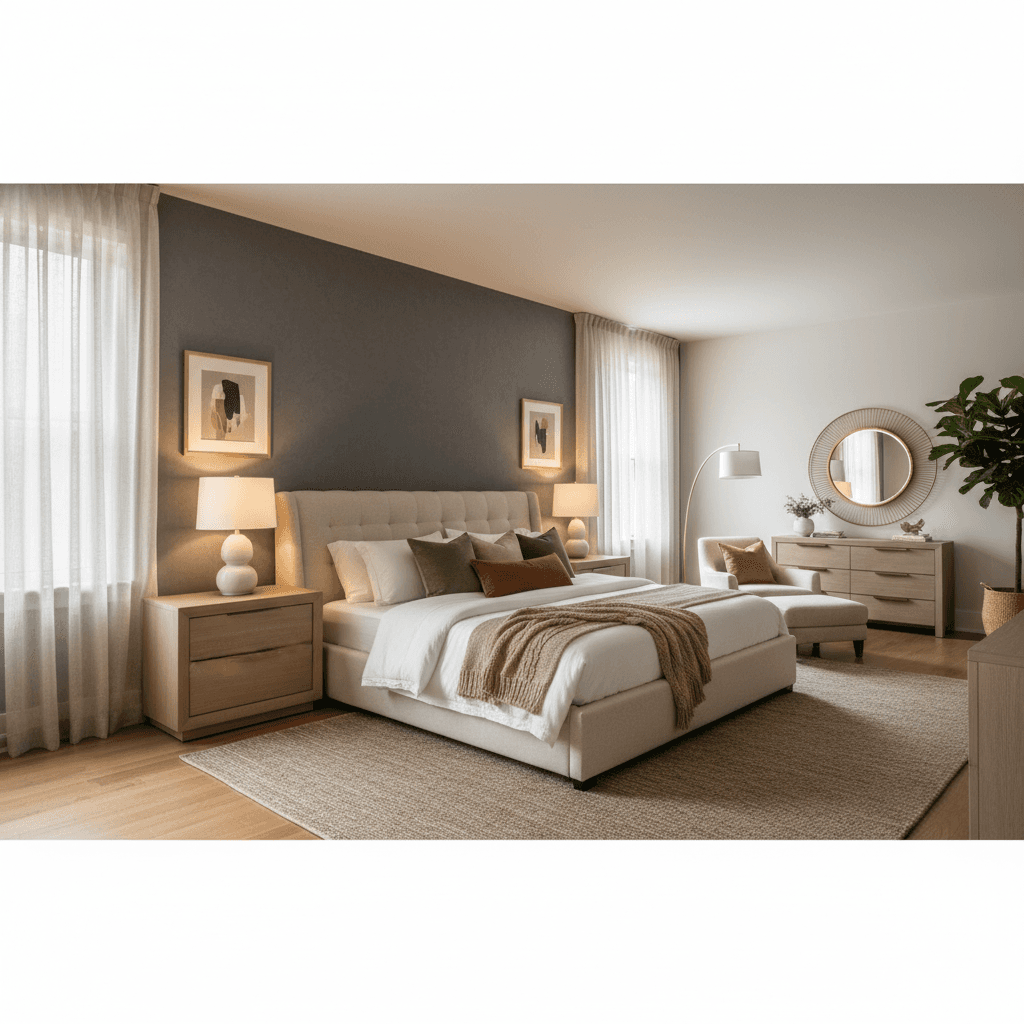
The master bedroom, for many of us, is the last frontier of design. We pour our energy into the living room where guests see it, or the kitchen where we spend so much time. But your bedroom? That’s for you. It’s where you start and end your days, a space that should offer genuine respite, comfort, and a reflection of your personal style. It’s not just a place to sleep; it’s your private retreat, and it deserves thoughtful attention.
I've designed dozens of bedrooms, both professionally and for friends, and the most common mistake I see is a lack of intention. People often buy a bed, a dresser, and two nightstands, and call it a day. But a truly well-designed master bedroom is layered, functional, and deeply personal. It’s about understanding the "why" behind each piece, not just buying the "what."
Let's walk through how to create a master bedroom that you'll genuinely look forward to unwinding in.
1. The Foundation: Your Bed and Bedding
The bed is undeniably the focal point of any bedroom. It’s the largest piece of furniture, and it dictates the layout and flow of the entire space.
Choosing Your Bed Frame
Think about the feeling you want to evoke.
- Upholstered frames – like those in linen, velvet, or bouclé – instantly add softness and a luxurious feel. They're fantastic for leaning against while reading. A natural linen upholstered frame in a light oat or gray will always feel sophisticated. Just be aware that bouclé, while beautiful, can be a magnet for pet hair and shows spills easily. If you have active pets or small children, consider a more forgiving fabric or a performance blend.
- Wood frames bring warmth and a grounded feeling. I’m a huge fan of solid wood frames in walnut or white oak for a timeless, organic modern look. They're durable, easy to clean, and age beautifully. Consider a platform bed if you prefer a lower profile and don't need a box spring, lending a very contemporary, minimalist vibe. For a more traditional or transitional look, a classic four-poster or sleigh bed can be stunning, but be mindful of how much visual weight it adds, especially in smaller rooms.
- Metal frames can feel industrial, modern, or even romantic depending on the design. A slim black metal frame can look incredibly chic and doesn't take up much visual space, making it a good choice for compact rooms or those aiming for a /styles/modern aesthetic.
When choosing, consider the height. A bed that's too low can feel informal, while one that's too high can dominate a room with standard 8-foot ceilings. Aim for a comfortable height where your feet touch the floor when you sit on the edge.
The Art of Bedding
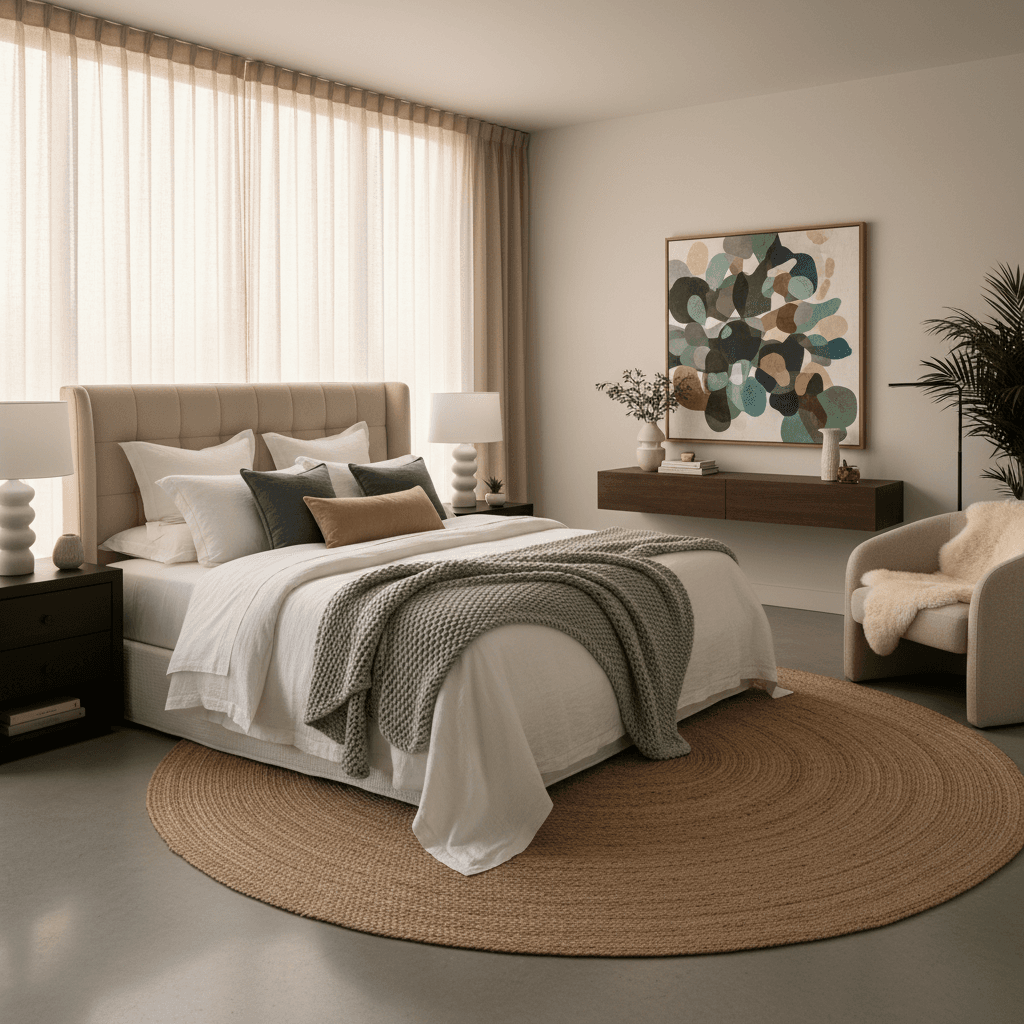
This is where you truly layer on the comfort and style. I always start with quality sheets. Percale cotton is crisp and breathable, perfect for hot sleepers, while sateen is smoother and has a subtle sheen. For a truly luxurious feel, a good quality washed linen is unparalleled. It's an investment, but it gets softer with every wash and has a beautiful, lived-in texture. I typically recommend a neutral base for sheets – white, cream, or a soft gray – as it allows you to play with duvet covers and throw blankets without clashing.
For your duvet, don't skimp on the insert. A fluffy down or down-alternative insert makes a huge difference in how your bed looks and feels. When it comes to the duvet cover, this is where you can infuse color and texture. I often recommend a solid color or a subtle pattern for the main duvet, then layering with a complementary quilt or coverlet for added depth.
Finally, pillows! You need your sleeping pillows, of course, but decorative pillows add so much personality. I generally aim for two Euro shams behind your standard pillows (if you have a King or Queen bed; one for a Twin), and then 1-3 accent pillows in varying textures and sizes. Mix velvet with linen, or a chunky knit with a delicate embroidery. Avoid having so many pillows that it feels like a chore to take them off every night; comfort and practicality should still reign supreme.
2. Grounding Your Space: The Area Rug
A rug under your bed is not an optional extra; it's a non-negotiable design element for a master bedroom. It softens the space, adds warmth underfoot, and most importantly, grounds the entire bed grouping, making it feel intentional and cohesive. Without a rug, your bed can look like it's floating in the middle of the room.
The Right Size is Everything
This is where people often go wrong. A rug that’s too small makes the room feel unbalanced and unfinished. Here’s my rule of thumb:
- For a Queen bed: You need at least an 8x10 rug. A 9x12 is even better if your room can handle it.
- For a King bed: A 9x12 rug is the absolute minimum. If space allows, an 10x14 will create a truly luxurious feel.
The rug should extend at least 18-24 inches beyond the sides of the bed and significantly past the foot of the bed. Ideally, the rug should start at least two-thirds of the way up the bed, or even under the nightstands if you have the space and a large enough rug. This creates a visual platform for your sleeping zone.
Material Matters
- Wool rugs are durable, soft, and naturally stain-resistant. They're an excellent investment and feel wonderful under bare feet.
- Jute or sisal rugs add beautiful texture and a natural, organic feel, perfect for /styles/bohemian or coastal-inspired rooms. They can be a bit scratchy, so consider layering a softer smaller rug on top where you step out of bed.
- Viscose or Tencel rugs offer a silky sheen and luxurious softness, mimicking silk, but they can be delicate and prone to water stains.
- Performance synthetics have come a long way and offer great durability and stain resistance for high-traffic areas or if you have pets, often at a more accessible price point.
Think about the texture and pattern. A subtle geometric pattern can add visual interest without being overwhelming, or a solid, textured rug can provide a calm base for bolder bedding.
3. Illuminating Your Design: Layered Lighting
Good lighting can completely transform the mood and functionality of your master bedroom. You need more than just one overhead light. Think in layers: ambient, task, and accent lighting.
- Ambient Lighting: This is your general room illumination. A beautiful flush mount or a small chandelier (if ceiling height allows, typically 9 feet or more) can serve this purpose. Make sure it's on a dimmer switch – this is a non-negotiable for a bedroom. You should be able to dim the lights for relaxation or brighten them when you're cleaning.
- Task Lighting: This is crucial for activities like reading in bed. Bedside lamps are the most common solution.
- Table lamps are classic. Ensure they're tall enough so the light source clears your shoulder when you're sitting up in bed. The bottom of the shade should be roughly level with your chin.
- Wall-mounted sconces save valuable nightstand space and can look very chic. Hardwired options offer a cleaner look, but plug-in sconces are widely available and much easier to install.
- Pendant lights hanging above the nightstands are another space-saving and visually interesting option. Ensure they hang at an appropriate height, similar to a table lamp, roughly 18-24 inches above the nightstand surface.
- Accent Lighting: This is about creating atmosphere. A small floor lamp in a cozy corner, or even LED strip lighting behind your headboard, can add a soft glow. Consider small puck lights inside a wardrobe or a picture light over a piece of art. The goal here is to add dimension and warmth.
Always opt for warm-toned bulbs (around 2700K-3000K) in a bedroom. Anything cooler can feel sterile and harsh, which is the opposite of what you want in a space for relaxation.
4. Smart Storage and Seamless Functionality
Beyond the bed, your nightstands and dresser are the most important functional pieces in your master bedroom.
Nightstands
I'm going to be direct here: skip the matching bedroom set. It often makes a room feel generic and uninspired. Instead, choose nightstands that complement your bed frame and the overall style of the room, but don't feel obligated to match them perfectly. They should be roughly the same height as your mattress (or slightly taller) for ergonomic reach.
Consider what you need to store. Do you need a drawer for books and hand cream, or is an open shelf enough for a phone charger?
- Drawers offer hidden storage, keeping clutter at bay.
- Open shelving or legs can make a small room feel less cramped by allowing light and sightlines through.
- Floating nightstands are another great space-saving option for a /styles/minimalist aesthetic.
Don't be afraid to use small chests of drawers or even a small side table as a nightstand if it fits the scale.
Dressers and Armoires
Your dresser should provide ample storage without overwhelming the room. Measure your space carefully. A long, low dresser can be a great anchor on a larger wall, providing surface space for decor. A tall, narrow chest of drawers is better for smaller rooms, maximizing vertical storage.
Again, consider the material and finish. A beautiful walnut dresser paired with an upholstered bed creates a dynamic, layered look. If your room is smaller, choosing a dresser with a reflective surface (like mirrored or lacquered) or a lighter wood can help it feel less bulky.
If you have a walk-in closet, you might get away with just nightstands and a small chest. If not, plan your dresser size carefully to accommodate your clothes.
5. Adding Personality: Seating, Art, and Textiles
This is where your master bedroom really starts to feel like yours.
Seating
If you have the space (and I mean truly have the space, without making the room feel cramped), a small accent chair in a corner can be a lovely addition. It provides a spot to put on shoes, read a book away from the bed, or simply add another layer of texture. A slim armchair with a small side table or a chaise lounge can feel incredibly luxurious.
Even if a full chair isn't feasible, a bench at the foot of the bed is always a good idea. It offers a practical spot for putting on socks, a surface for extra throw blankets, and it visually completes the bed grouping. Look for one that's proportionate to your bed's width and slightly lower than the mattress height.
Wall Art and Mirrors
Don't leave your walls bare. A large piece of art above the headboard (or a gallery wall) makes a powerful statement. Ensure the art is scaled appropriately – it shouldn't be wider than your headboard.
Mirrors are functional but also reflect light and can make a room feel larger and brighter. A large floor-length mirror leaning against a wall adds a touch of casual elegance. A decorative mirror above a dresser can also be a beautiful accent.
Window Treatments
Curtains and blinds are essential for privacy, light control, and adding softness to your room.
- Blackout curtains are a must for many people, especially if you're sensitive to light. Choose a thick, lined fabric.
- Sheer curtains layered under heavier drapes provide privacy during the day while still letting in diffused light.
- Mount your curtain rod high and wide. This means placing the rod several inches above the window frame and extending it 6-12 inches beyond the frame on each side. This makes your windows appear taller and wider, and allows the curtains to stack off the glass, maximizing natural light.
Plants and Accessories
Don't underestimate the power of greenery. A large floor plant (like a Fiddle Leaf Fig or a Bird of Paradise) brings life into the room. Smaller plants on nightstands or dressers add a fresh touch.
Finally, style your surfaces. A stack of beautiful books, a scented candle, a small decorative bowl for jewelry, or a cherished photograph can make the room feel lived-in and loved. Just be careful not to over-clutter – a few thoughtfully chosen items are more impactful than a dozen trinkets.
6. Curating Your Aesthetic
While these principles apply across the board, how you execute them will depend on your personal style.
- For a /styles/scandinavian look, think light woods, clean lines, natural textures like linen and wool, and a predominantly neutral palette with subtle pops of muted color.
- If you lean towards /styles/modern, focus on sleek furniture, minimal ornamentation, geometric patterns, and perhaps a bolder color palette.
- A /styles/bohemian bedroom thrives on layered textiles, global-inspired patterns, rattan or wicker accents, and lots of plants.
Remember, your master bedroom is your sanctuary. Take your time, gather inspiration (Roomellow is fantastic for this!), and choose pieces that genuinely resonate with you. The goal is to create a space that feels calm, comfortable, and unequivocally yours. If you're struggling to visualize how these elements will come together, remember Roomellow can help you experiment with different furniture and layouts in your own room before you commit. You can upload a photo of your space and virtually redesign it with real products from various furniture stores. It’s a great way to see your "master bedroom ideas" come to life.
Ready to redesign your room?
Upload a photo of your room and get a professional AI redesign with real furniture you can buy. Free to try — no credit card required.
Try Roomellow Free